For outdoor explorers, off road enthusiasts, and adventurers who love the open wilderness, communication is not just a convenience it’s a safety lifeline. While GPS and mobile networks are helpful, they can fail when you venture into remote trails, mountain passes, or desert landscapes. That’s where CB and Ham radios come into play. These powerful communication tools keep you connected even when there’s no cell signal, making them essential gear for every off road trip.
The Importance of Reliable Communication in the Wild
When you’re exploring off grid areas, it’s easy to lose contact with your group or emergency services. Cell networks are often unreliable or completely unavailable in remote terrains. In such cases, CB and Ham radios provide dependable, instant communication that doesn’t rely on satellites or data coverage. Whether you’re coordinating with fellow off roaders, contacting a support vehicle, or calling for help, these radios can make all the difference.
Having a reliable radio system gives you:
- Peace of mind knowing you can reach your group anywhere.
- Safety assurance during breakdowns, injuries, or unexpected weather changes.
- Convenience for coordinating routes, camping stops, or convoys.
CB Radio vs. Ham Radio: What’s the Difference?
Many outdoor enthusiasts wonder whether to choose a CB radio or a Ham radio. Both serve valuable purposes, but the right choice depends on how and where you plan to use it.
CB Radio (Citizen Band)
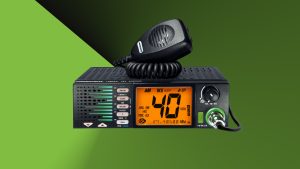
CB radios are simple, license free communication tools with 40 channels. They operate on low power (4 watts) and are ideal for short range communication typically up to 5 miles depending on terrain and antenna quality.
They’re popular among:
- Off road groups
- Jeep and ATV owners
- RV/Camping travelers
- Truck drivers on rural highways
CB radios are great for quick team coordination and general trail communication.
Ham Radio (Amateur Radio)
Ham radios, on the other hand, offer greater range and advanced features. They require an FCC license but can reach much farther distances even across states or countries under the right conditions.
For off roaders who often travel to remote regions, a Ham radio provides enhanced reach, signal strength, and flexibility.
Key Features for Off Road Communication Radios
When you’re selecting a CB or Ham radio for your vehicle, certain features can make a big difference:
1. Rugged Durability
Off road conditions can be tough on equipment. Your radio should handle vibrations, dust, and temperature fluctuations. President Electronics radios are engineered with heavy duty casings, ensuring dependable performance in rugged environments.
2. Clear Audio and Noise Reduction
In outdoor environments, background noise from engines, wind, or terrain can be distracting. Radios with Automatic Squelch Control (ASC) and Noise Blanker functions, such as those by President Electronics, maintain crystal clear sound for effortless communication.
3. Compact and Versatile Design
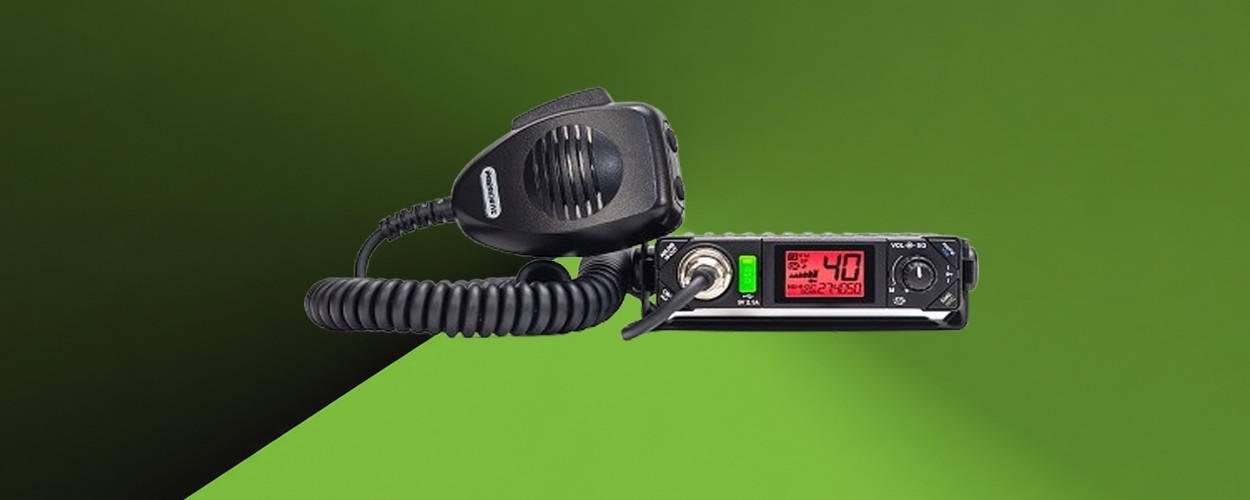
Space is often limited inside vehicles like Jeeps or ATVs. Compact models such as President Bill III FCC or President Richard II (10M) are perfect for installation in smaller cabins without compromising power or quality.
4. Weather Alerts and Scanning
Weather conditions can change fast in the outdoors. Radios equipped with NOAA weather channels and scanning functions keep you informed about storms, floods, or wind warnings, helping you make safer decisions on the trail.
Choosing the Right Antenna for the Outdoors
Your radio is only as good as its antenna. A high-performance antenna improves range and clarity, two critical factors in the wilderness. Off roaders should look for:
- Flexible stainless steel whips that can withstand rough terrain
- Magnet or roof mounts for easy installation and signal optimization
- Proper grounding to enhance transmission strength
President Electronics offers antennas designed specifically for mobile off road communication, delivering strong, consistent performance in any terrain.
Benefits of Using President Electronics Radios Off Road
For over 45 years, President Electronics has been a trusted name in radio communication, offering reliable solutions for truckers, outdoor enthusiasts, and professional drivers. Off roaders especially appreciate the brand’s:
- Durable construction for extreme environments
- Long range clarity that keeps communication consistent
- User friendly controls that simplify operation on the go
- Innovative features that blend safety, power, and style
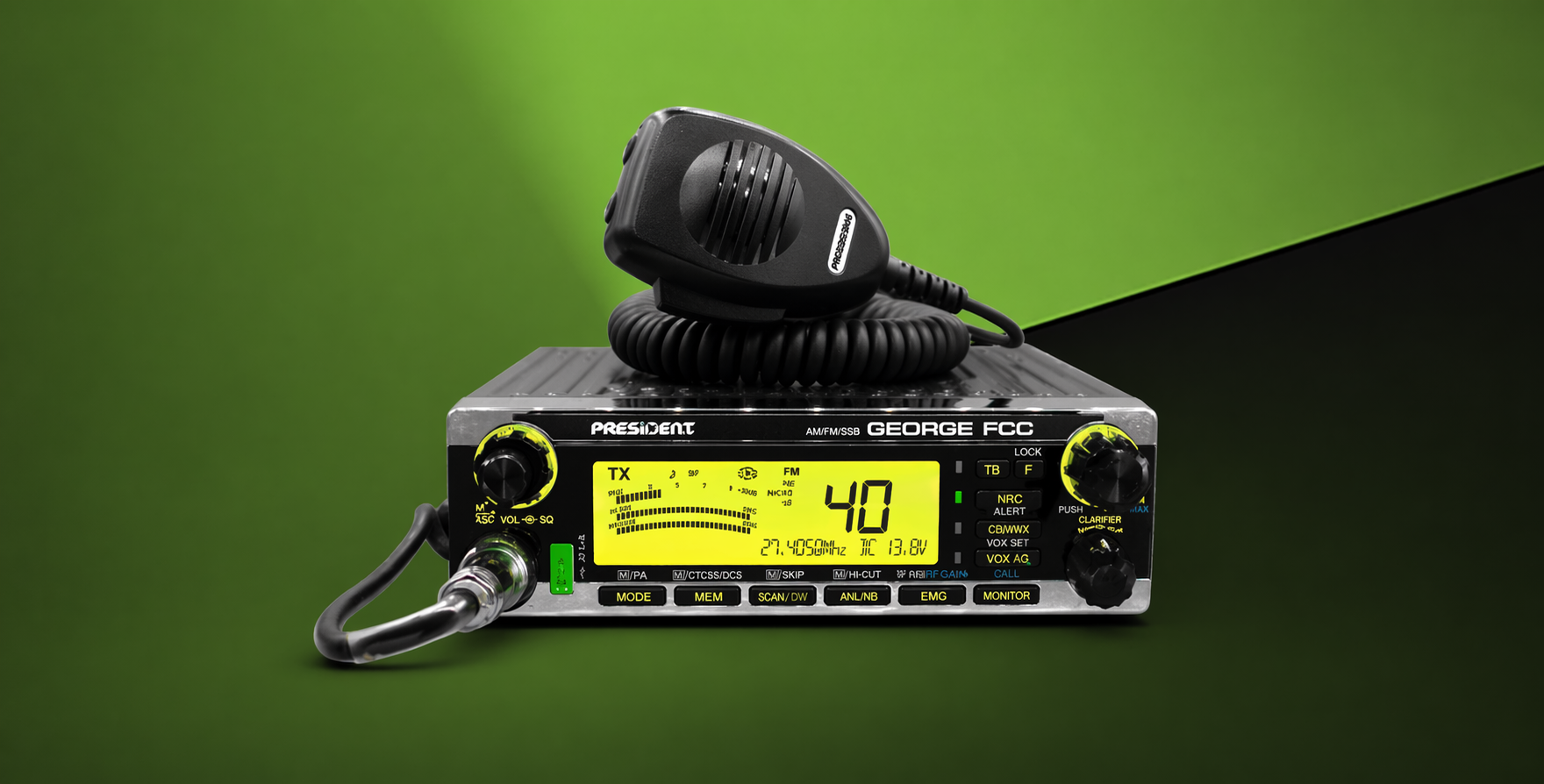
Models like President George FCC and President Bill III FCC are particularly popular among outdoor adventurers who demand performance without compromise.
President Electronics also offers the Jerry FCC and Randy III FCC, which are handheld CB radios that combine the portability of a walkie-talkie with the extended range and reliability of CB communication, making them ideal for off roaders.
Safety Advantages of Having a CB or Ham Radio Off Road
Having a radio system on your trail adventure offers several safety advantages:
- Emergency Contact: You can reach nearby vehicles or radio operators for help even without cell service.
- Group Coordination: Stay connected during group rides, ensuring no one gets lost.
- Weather Warnings: Receive alerts in time to change plans or seek shelter.
- Navigation Support: Communicate with your convoy about directions, obstacles, or landmarks.
When you’re miles from civilization, having reliable communication could be the key to avoiding dangerous situations.
Final Thoughts
For outdoor and off-road explorers, CB and Ham radios are not just accessories they are essential safety tools. Whether you’re tackling desert trails, mountain roads, or forest paths, these radios ensure you stay connected when it matters most. Choosing a President Electronics radio means choosing reliability, durability, and top tier communication designed for the toughest adventures.
Equip your vehicle with the right CB or Ham radio today and experience the freedom of the open trail with the confidence that you’re never truly out of reach.
❗ Disclaimer:
The information provided in this guide is for general informational and educational purposes only and does not constitute legal advice. It is not intended to serve as a comprehensive or definitive guide to radio communications regulations, practices, or equipment. This guide does not encompass all available radios, antennas or communication methods currently on the market. Users are advised to consult the most recent FCC regulations and applicable local laws prior to operating any radio equipment, particularly devices that require a license. Product specifications, availability, and regulatory requirements are subject to change without notice. Users are solely responsible for ensuring compliance with all applicable laws, regulations, and operational guidelines. While efforts have been made to ensure the accuracy of the information provided, the publisher makes no representations or warranties regarding the completeness, accuracy, or reliability of the content and shall not be held liable for any errors, omissions, or inaccuracies contained herein.