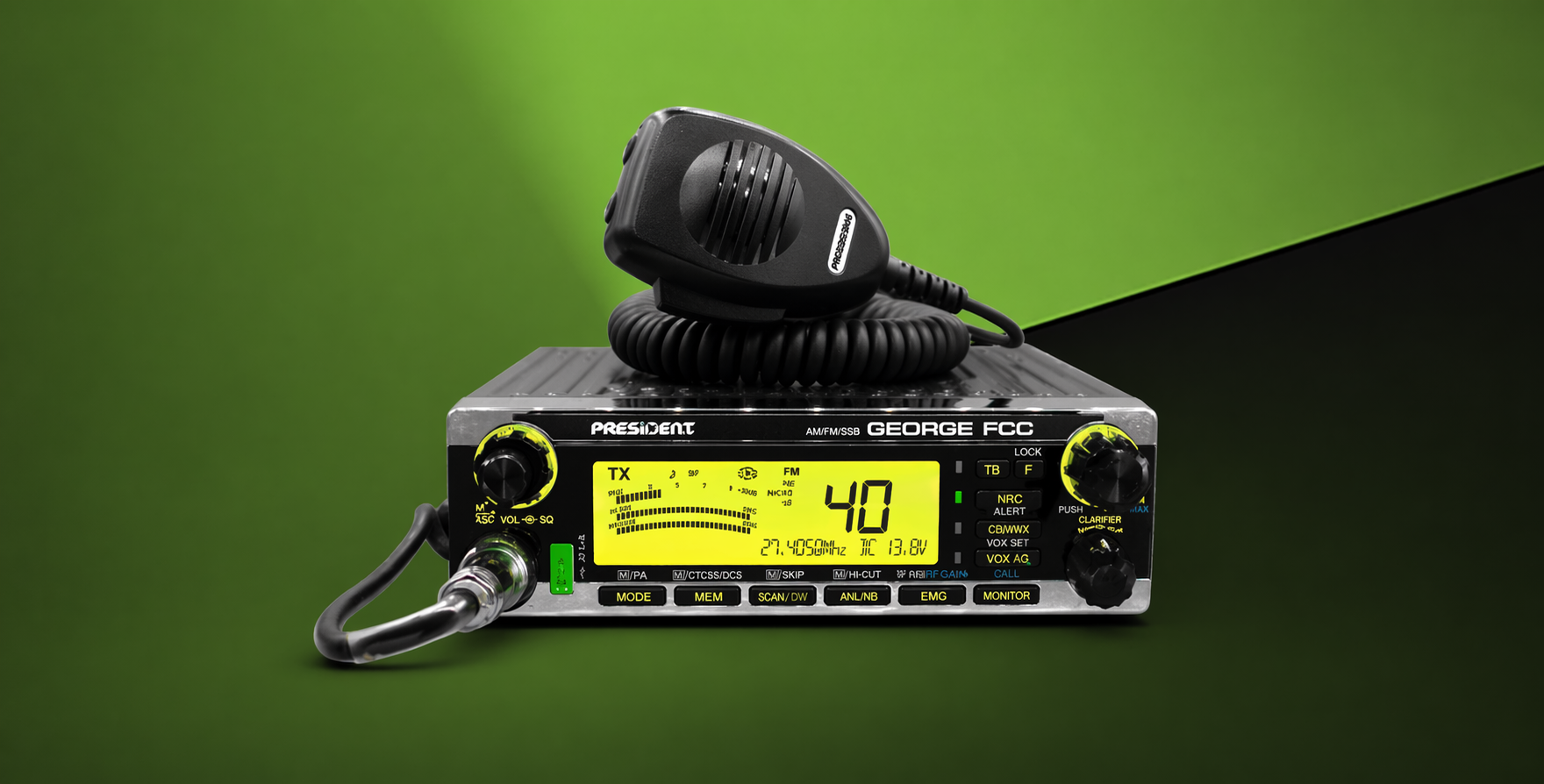
For more than seven decades, Citizens Band (CB) radio has been far more than a communications tool. It has served as a meeting place where people from every walk of life, culture, profession, and background can connect with one another in real time. Long before social media, smartphones, or internet forums, CB radio brought together strangers separated by geography but united by a shared interest in communication.
Today, while technology has evolved dramatically, CB radio continues to thrive as a uniquely inclusive community – one that remains as welcoming and valuable as ever.
A Diverse Community Since the Beginning
When CB radio became widely available to the public during the mid-20th century, it quickly attracted an extraordinarily diverse audience. Farmers relied on it to coordinate work across large fields. Truck drivers used it to exchange road conditions and travel information. Small business owners found it useful for day-to-day operations. Families used CBs during road trips, while outdoor enthusiasts, campers, hunters, and boaters depended on them in areas where telephones were unavailable.
As the hobby grew, so did its diversity. Teachers chatted with mechanics. Engineers spoke with retirees. Students made contacts with veterans. Rural communities connected with city dwellers. People from different socioeconomic backgrounds found themselves sharing the same frequencies and participating in the same conversations.
Unlike many communication platforms, CB radio required no subscriptions, monthly service plans, or advanced technical knowledge. Anyone with a radio, an antenna, and a willingness to learn could join the conversation.
Geography No Longer Defined Community
One of CB radio’s greatest strengths has always been its ability to connect people across geographic boundaries.
A driver crossing the Great Plains might receive local weather information from nearby farmers. Travelers heading into mountain passes could hear warnings from experienced locals. Vacationing families often received directions, traffic updates, or recommendations from people who knew the area well.
During periods of favorable atmospheric conditions, operators could even communicate hundreds or thousands of miles away through “skip” propagation, introducing them to voices from entirely different regions and cultures.
These unexpected conversations helped broaden perspectives. Regional accents, customs, traditions, and local knowledge became part of everyday communication. People learned about life in distant communities directly from those who lived there.
In many ways, CB radio became one of the earliest forms of grassroots social networking.
Bridging Cultural Differences
Perhaps the most remarkable aspect of CB radio has been its ability to bridge cultural divides.
On the air, people are often known by their chosen “handles” rather than by titles, occupations, or social status. Conversations typically begin without assumptions about age, education, ethnicity, religion, or income.
This creates an environment where personalities often matter more than appearances.
Operators frequently discover common interests despite living in different regions or coming from vastly different backgrounds. Discussions may range from weather and travel to local traditions, food, hobbies, music, history, and family life.
Over time, countless friendships have formed between individuals who might never have crossed paths otherwise.
Many operators have gone on to meet at radio gatherings, community events, charity functions, and family picnics, turning radio acquaintances into lifelong friends.
A Living Record of Local Knowledge
CB users collectively possess an enormous amount of practical knowledge.
They know which roads flood after heavy rain, where wildlife crossings are common, how local weather patterns develop, where construction creates delays, and which routes are safest during severe conditions.
This information often spreads much faster than official reports because it comes directly from people experiencing events firsthand.
Whether someone is traveling across town or across the country, local operators frequently become an invaluable source of real-time information.
A Lifeline During Emergencies
One of CB radio’s most enduring contributions has been its role during emergencies.
Unlike cellular networks, CB radio operates independently of internet infrastructure and commercial phone systems. When storms damage communications, power failures interrupt service, or remote locations have little or no cell coverage, CB radios often continue functioning.
Throughout history, CB operators have assisted during hurricanes, blizzards, floods, tornadoes, wildfires, vehicle breakdowns, and search efforts.
Motorists stranded on isolated highways have summoned assistance using nearby operators. Travelers caught in severe weather have received warnings from those ahead of them. Truck drivers have reported accidents moments after they occurred, allowing emergency responders to receive critical information more quickly.
Even in today’s highly connected world, there are still places where radio communication remains the most dependable option.
For many people who venture into rural areas, forests, deserts, mountains, or backcountry roads, a CB radio provides an additional layer of safety when other communication methods may fail.
Serving Communities Every Day
Not every emergency makes headlines.
Every day, CB operators help motorists locate fuel, avoid traffic congestion, report disabled vehicles, alert others to hazardous road conditions, and assist travelers who are unfamiliar with an area.
Neighborhood watch groups, volunteers during community events, and organizers of parades or charity functions have also used CB radios for reliable local communications.
Sometimes, simply hearing another friendly voice can make a long journey less lonely
Today's CB Community
Although smartphones now dominate personal communication, CB radio continues to attract a wide variety of users.
Modern CB enthusiasts include professional drivers, off-road clubs, overlanding groups, RV travelers, farmers, construction crews, emergency preparedness advocates, radio hobbyists, classic equipment collectors, families on road trips, and individuals who simply enjoy the social aspect of radio communication.
Many younger operators are discovering CB for the first time, appreciating its simplicity, independence, and sense of community. Others are returning to the hobby after decades away, reconnecting with a pastime they enjoyed earlier in life.
Advances in radio technology have also improved performance while preserving the straightforward operation that has always made CB accessible.
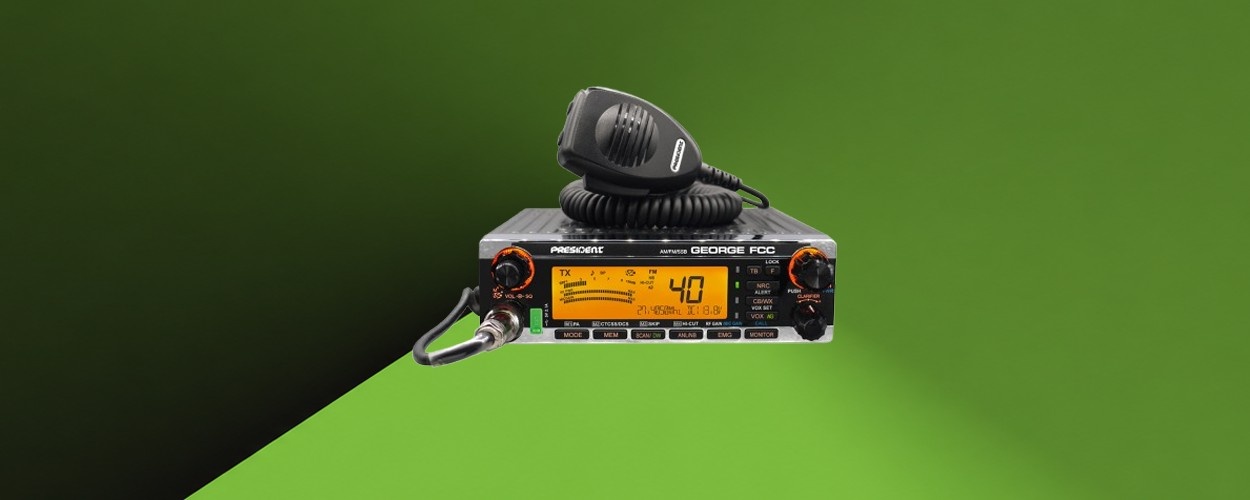
Among the companies that have helped sustain the CB radio community across generations, PRESIDENT Electronics stands out as one of the industry’s most recognized and respected names. Since the 1970s, the company has built a reputation for producing dependable radios that serve everyone from professional drivers and off-road enthusiasts to hobbyists, RV travelers, and everyday motorists.
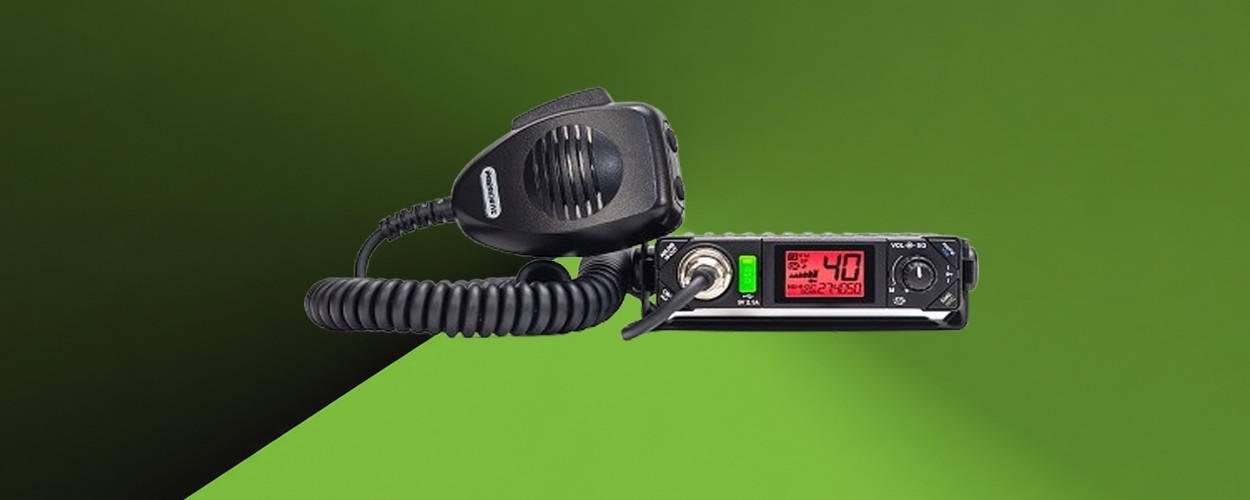
While remaining true to the simplicity and reliability that made CB radio so popular, PRESIDENT has continued to innovate by introducing features such as Automatic Squelch Control (ASC), NOAA weather channels, advanced noise management, compact form factors, digital displays, and improved receiver performance. Its product lineup offers something for nearly every type of operator. Mid-range mobile radios such as the Bill III FCC and Harrison FCC provide an excellent balance of features and ease of use. Those looking for handheld portability can choose models such as the Randy III FCC or Jerry FCC, while users with limited dashboard space often appreciate compact radios like the Ted FCC or the Thomas FCC.
For operators who prefer a more traditional look and feel, PRESIDENT continues to offer classic-style radios such as the Walker IV FCC, combining timeless styling with modern electronics. Beyond CB, the company also offers amateur radio equipment such as the Washington 100W for licensed amateur radio operators who want to explore additional communication capabilities.
By balancing decades of heritage with continuous innovation, PRESIDENT Electronics has remained one of the world’s leading CB radio manufacturers. Whether someone is purchasing their very first CB radio or upgrading equipment they’ve relied on for years, PRESIDENT continues to offer dependable solutions tailored to a wide range of operating styles and user needs.
More Than Technology
The lasting appeal of CB radio has never been about equipment alone.
- It is about neighbors helping neighbors.
- It is about strangers offering directions to lost travelers.
- It is about experienced operators sharing knowledge with newcomers.
- It is about communities forming without regard to geography, culture, profession, or personal background.
At its best, CB radio reminds us that meaningful communication doesn’t require complex technology. Sometimes, all it takes is a microphone, a willingness to listen, and someone on the other end saying, “Go ahead.”
Looking Ahead
As communication technologies continue to evolve, CB radio remains a testament to the value of direct, person-to-person connection.
Its users have always represented a remarkable cross-section of society – people of different ages, occupations, cultures, beliefs, and experiences who share a common interest in helping others and staying connected.
Whether providing companionship during a long drive, sharing local knowledge, introducing someone to a different culture, or serving as a vital safety net during emergencies, CB radio continues to fulfill a role that no app or algorithm can fully replace.
In an increasingly digital world, Citizens Band radio remains refreshingly human. Every transmission is a reminder that beyond the static lies a diverse community of voices -ready to inform, assist, encourage, and connect. Supported by companies like PRESIDENT Electronics, whose commitment to CB radio spans five decades, the tradition of keeping the lines of communication open will continue for future generations. That enduring spirit of openness, mutual support, and innovation is what has made CB radio not just a means of communication, but a bridge between people and cultures for generations – and one that will continue to serve communities well into the future.
❗ Disclaimer:
The information provided in this guide is for general informational and educational purposes only and does not constitute legal advice. It is not intended to serve as a comprehensive or definitive guide to radio communications regulations, practices, or equipment. This guide does not encompass all available radios, antennas or communication methods currently on the market. Users are advised to consult the most recent FCC regulations and applicable local laws prior to operating any radio equipment, particularly devices that require a license. Product specifications, availability, and regulatory requirements are subject to change without notice. Users are solely responsible for ensuring compliance with all applicable laws, regulations, and operational guidelines. While efforts have been made to ensure the accuracy of the information provided, the publisher makes no representations or warranties regarding the completeness, accuracy, or reliability of the content and shall not be held liable for any errors, omissions, or inaccuracies contained herein.